The email arrived at a hostel in Kaunas at eleven at night, polite and short: the bus I had recommended left at 06:40, not 06:04, and two readers had already been at the stop an hour early. The post had been live for seven weeks, and I had read it four times before publishing without ever seeing the number flipped. That message is the reason this routine exists at all.
The rule that came out of Kaunas
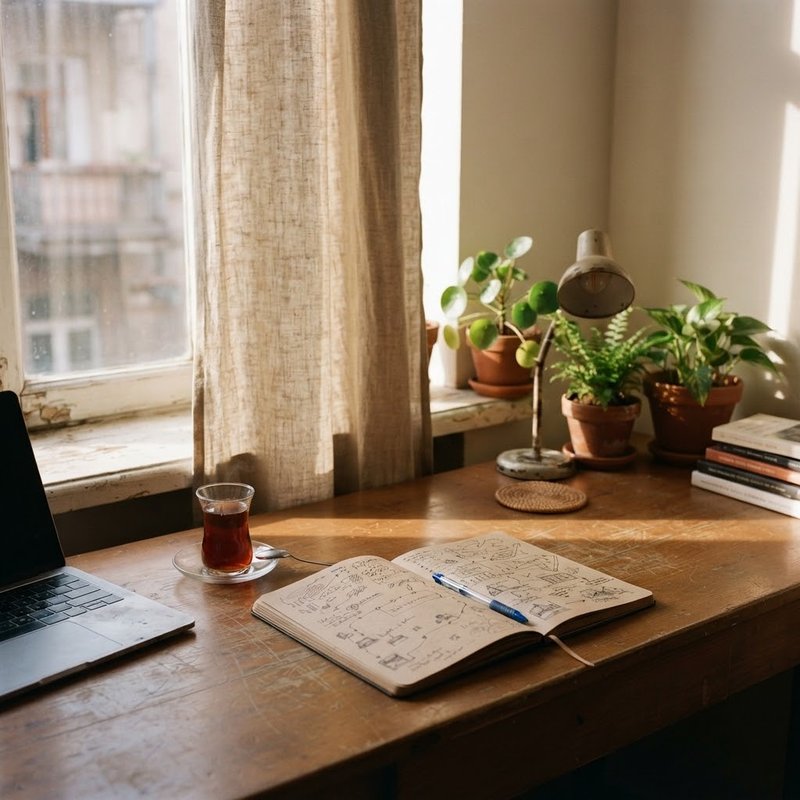
From that week, every draft gets printed once before it goes out. Paper catches things a screen does not: a flipped pair of digits, a repeated word at the end of two paragraphs, a sentence that looked fine at midnight and reads like an advertisement in daylight. It costs a few cents in an internet cafe and has caught more than any read-through on the laptop.
The printed copy gets read standing up, with a pen, and only two questions are allowed on the first pass. Is every number right, and does every paragraph justify the time it takes to read it. Anything else waits for the second pass, because editing with four questions in mind produces none of them well.
Second pass happens the following morning, never the same night. A draft I like at 01:00 usually needs cutting by 09:00, and the cut list goes in the margin before I touch the file again. Sleeping on a piece is the cheapest editor I have found, and it works even in a dorm room with two people snoring in the next bunk.
Printing is easier than it sounds on the road. Libraries print for a few cents, ferry terminals have counters that take cash, and one hostel in Portugal charged nothing for pages as long as I bought a coffee. Where paper is impossible, the second pass gets done on the phone instead, because a smaller screen slows the eye down enough to catch the same faults.
What gets checked against a source
Prices, timetables, distances and opening hours come out of the notebook or the ticket stub, not out of memory. I keep a plain text file per trip with four columns: item, figure, where I got it, and the date it was checked. When a post needs three prices, I copy all three from that file and mark the month beside them.
This is the part readers never see, and it is the only reason the site has a reputation for being usable. A route note that is wrong by an hour costs someone a night at a bus station, so the number gets a source or it does not go in.
What I leave unchecked is atmosphere. If the harbour smelled of diesel and salt, that claim does not need a citation, and hedging it would only make the paragraph weaker. Facts need receipts, moods need only to be true on the day.
The fact sheet also solves arguments with myself. Twice I have been certain a dorm cost 22 and found the note saying 28 with the date beside it, which ends the discussion in one line and saves a rewrite that would have been wrong twice over.
The three questions that end the edit
Before a draft closes, I ask what the reader can do after it that they could not do before, whether the first paragraph promises the same thing the last one delivers, and which single sentence I would cut if the page had to lose one. The third question finds filler that every other pass has already decided to keep.
If no sentence comes to mind, the piece is usually too careful, and I rewrite the opening instead of trimming the middle. If three sentences come to mind, the post is longer than its own argument and two of them go.
The second question is the one that catches me most often. A post that opens with a price and closes with a mood was probably two posts, and splitting it takes ten minutes and gives the calendar something to publish next week as well.
What the cut list becomes
Cut sentences do not go in the bin. They move to a folder called leftovers, and about a third of them reappear as list items, photo captions or the opening line of a later piece that needed a warm start. A paragraph cut for pacing often works once it is cut loose from the argument that surrounded it.
Every fourth week I read the folder end to end instead of writing, which is the closest thing this operation has to an editorial review. Anything that still looks good after a month gets a place in the plan; anything that looks embarrassing gets deleted without ceremony, and there is no shortage of either.
None of this replaces having an editor, and I would take one tomorrow. What it does is keep a single writer honest between a night bus and a deadline, which is the arrangement I have had for four years and the reason the numbers on this site stay the same twice.